29 Nov 2025
- 0 Comments
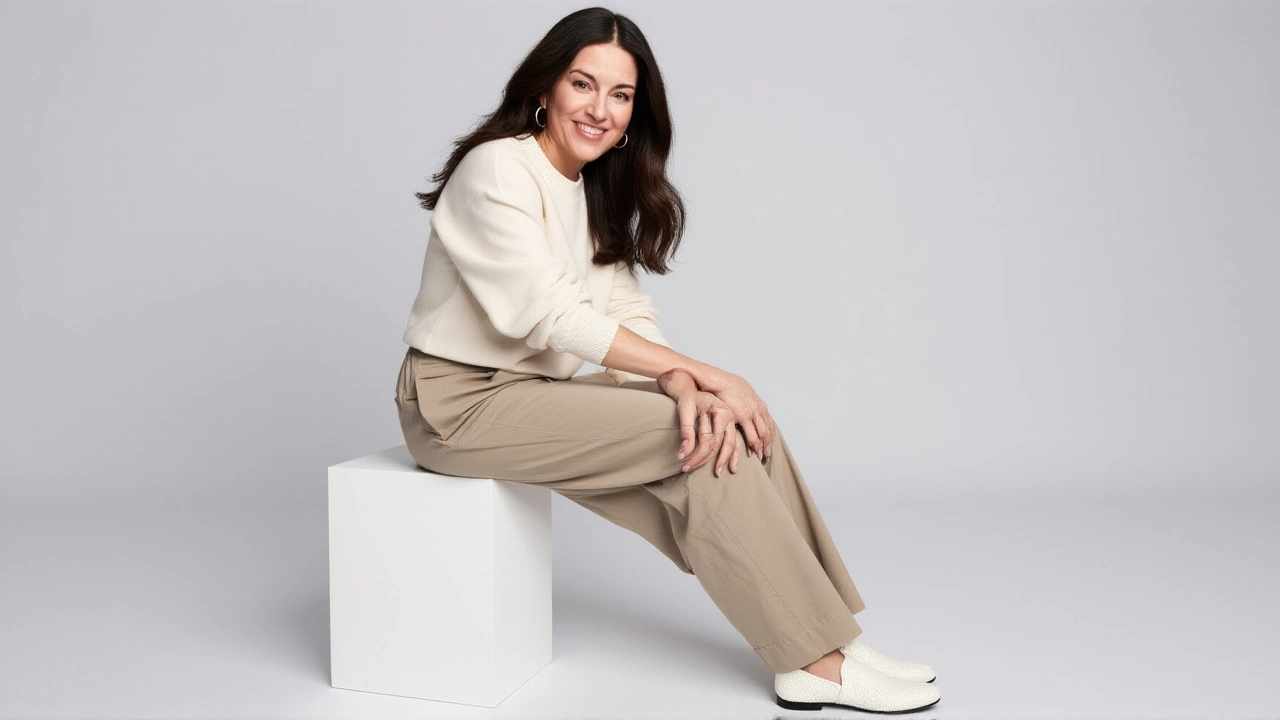
When Lululemon Athletica Inc. announced on November 17, 2025, that Celeste Burgoyne was stepping down after 19 years, the fitness world took notice—not because it was unexpected, but because it felt like the end of an era. Burgoyne, who joined the Vancouver-based brand in 2006 as its first U.S. general manager, was more than a senior executive; she was the quiet architect behind Lululemon’s transformation from a niche yoga apparel shop into a $10 billion global powerhouse. Her resignation to become Chief Revenue Officer at Vail Resorts in Broomfield, Colorado, isn’t just a personnel change—it’s a seismic shift for a company wrestling with slowing demand in its home market.
A Legacy Built on Sweat and Strategy
Burgoyne didn’t just grow Lululemon—she helped define its culture. When she arrived in 2006, the company had fewer than 10 stores and barely registered on the radar of mainstream activewear shoppers. By the time she left, it had exploded to more than 750 locations across 20 countries. She was the first person to hold the title of President at Lululemon, a role she assumed in 2020. Her fingerprints are on everything: the rise of the “athleisure” trend, the obsession with fabric innovation, and the cult-like loyalty of its customer base. Analysts like Tom Nikic of Needham called her “one of the key architects to [Lululemon’s] ascendance.”
Her departure follows closely on the heels of Chief Product Officer Sun Choe’s exit in mid-2024—a pattern that’s raising eyebrows. Two top executives gone in under two years? That’s not turnover. That’s a red flag.
André Maestrini Steps Into the Void
Enter André Maestrini. The Brazilian-born executive, who joined Lululemon in 2021 as Executive Vice President of International, was immediately promoted to the newly created role of President and Chief Commercial Officer—effective November 17, 2025—with an annual salary of $950,000. He’ll report directly to CEO Calvin McDonald and now oversees every region, store, and digital channel worldwide. That’s a consolidation of power no one expected. Previously, North America, Asia Pacific, and EMEA operated with semi-autonomous leadership. Now, it’s all under one roof.
Maestrini’s track record is impressive. He led Lululemon’s expansion across China, India, and the Middle East, often turning around underperforming markets. But here’s the twist: he’s never run North America. And that’s the problem.
“He’s great at scaling internationally,” said one former Lululemon store manager in Toronto, who asked not to be named. “But North America? That’s where the soul of the brand lives. And it’s fraying.”
The North American Crisis
Behind the polished press releases, Lululemon’s numbers tell a different story. Same-store sales in the U.S. and Canada have flatlined for three consecutive quarters. Shoppers are trading down to Athleta, Target’s All in Motion, or even Amazon’s private labels. The once-unassailable premium pricing model is under siege.
“Consumers aren’t rejecting Lululemon,” said retail consultant Maya Lin. “They’re rejecting the idea that they have to pay $98 for leggings when they can get something just as good for $40.”
And the product pipeline? It’s been in flux. Internal sources say design teams have been restructured twice since Choe left, leading to delays and misfires. The “Wunder Train” leggings? A hit. The new “Recovery” line? A flop. Burgoyne was the glue holding these pieces together. Her instinct for what customers wanted—before they even knew it—was uncanny.
What This Means for the Future
Maestrini’s mandate is clear: unify operations, cut redundancy, and reignite growth. But the real challenge? Reconnecting with the North American customer. Lululemon’s brand magic was built on community—yoga studios, running clubs, local events. Now, those connections are thinning.
“You can’t scale a community,” said former Lululemon marketing lead Derek Wu. “You can only mimic it. And that’s what they’ve been doing.”
Investors are watching closely. Lululemon’s stock dipped 4.2% the day after the announcement. Analysts now question whether the company can maintain its premium positioning without Burgoyne’s touch. Her final act? Ensuring a smooth handoff. She’ll stay through December 31, 2025, helping train her successor.
In her parting statement, Burgoyne said: “I am so proud of what we have accomplished… I look forward to continuing to support the brand as a lifelong fan.”
And that’s the quiet tragedy here. She didn’t leave because she was burned out. She left because she saw the future—and she knows it won’t look like the past.
Frequently Asked Questions
Why is Celeste Burgoyne’s departure such a big deal for Lululemon?
Burgoyne wasn’t just a CEO-level exec—she was the architect of Lululemon’s global expansion, helping grow the company from under 10 stores to over 750 and revenue from negligible to over $10 billion. Analysts called her a “key source of stability,” especially as product development struggles and North American sales slow. Her deep understanding of customer culture and brand identity is nearly impossible to replace.
Who is André Maestrini, and why was he chosen?
Maestrini joined Lululemon in 2021 and led international growth across Europe, Asia, and China. He’s known for operational discipline and unlocking emerging markets. The company chose him to unify global operations under one leader, hoping his international success can be replicated in North America. But he’s never managed the U.S. or Canadian markets—raising concerns about his ability to reconnect with Lululemon’s core customer base.
How does this leadership change affect Lululemon’s product strategy?
With both Burgoyne and former Chief Product Officer Sun Choe gone, product innovation has lost two key voices. Internal reports suggest design teams have been restructured twice since mid-2024, leading to inconsistent launches. The company’s recent “Recovery” line flopped, while classics like the Wunder Train remain bestsellers. Without Burgoyne’s instinct for what customers craved, the pipeline risks becoming generic.
Is Lululemon losing its competitive edge against rivals like Athleta and Amazon?
Yes. Athleta’s focus on inclusivity and value, combined with Amazon’s affordable private labels, have chipped away at Lululemon’s premium appeal. Same-store sales in North America have stagnated for three quarters. Shoppers now question paying $98 for leggings when similar quality exists at half the price. Lululemon’s brand loyalty is strong, but it’s not invincible—especially without strong leadership guiding product and experience.
What’s next for Lululemon’s leadership structure?
With Maestrini now overseeing all global commercial operations, the company has eliminated regional autonomy. CEO Calvin McDonald retains ultimate authority, but Maestrini controls everything from retail to digital. This centralization could improve efficiency—but if North America continues to underperform, the pressure will mount. Analysts warn that without a new product breakthrough or cultural reconnection, this structure may accelerate decline rather than reverse it.
Will Burgoyne’s move to Vail Resorts impact Lululemon’s brand?
Not directly—but symbolically, it’s telling. Vail Resorts operates in a very different space: luxury ski resorts, not activewear. Her move suggests she’s chasing growth in a less saturated market. For Lululemon, it signals that even its most loyal leaders are seeking opportunities elsewhere—raising questions about whether the company’s current trajectory still inspires top talent.